Doleshwor Mahadev Darshan
Duration: Half Day (Minimum Time)Destinations: Suryabinayak / 15 Kms Approx.
Tour Type: Religious, Cultural & Pilgrims Tour
Ideal For: Hindu Pilgrims, History & Culture Enthusiasts, Peace Seekers etc
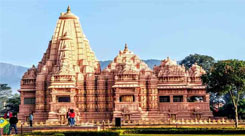
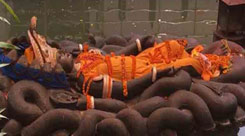
केदारनाथ, धार्मिक दृष्टिले महत्वपूर्ण मानिने डोलेश्वर महादेव मन्दिर भक्तपुरको जगतीबाट ४ किलोमिटर दक्षिण सिपाडोल–६ मा अवस्थित छ । यस मन्दिरलाई भगवान केदारनाथको शिरको रूपमा पूजा गरिन्छ। लामो समयदेखि चलिआएको मान्यता अनुसार देवताको शिरको उत्पत्ति यही ठाउँमा भएको थियो भने बाँकी शरीरको अंग भारतको केदारनाथमा रहेको थियो । हरियो जंगलको बीचमा एउटा ठूलो चट्टानलाई भगवान केदारनाथको प्रतिनिधित्वको रूपमा पूजा गरिन्छ।
HIGHLIGHTS:
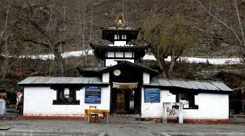
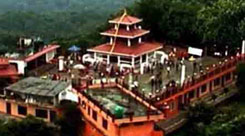
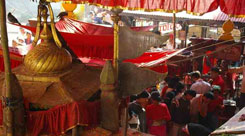
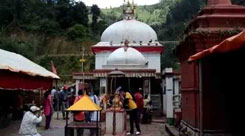
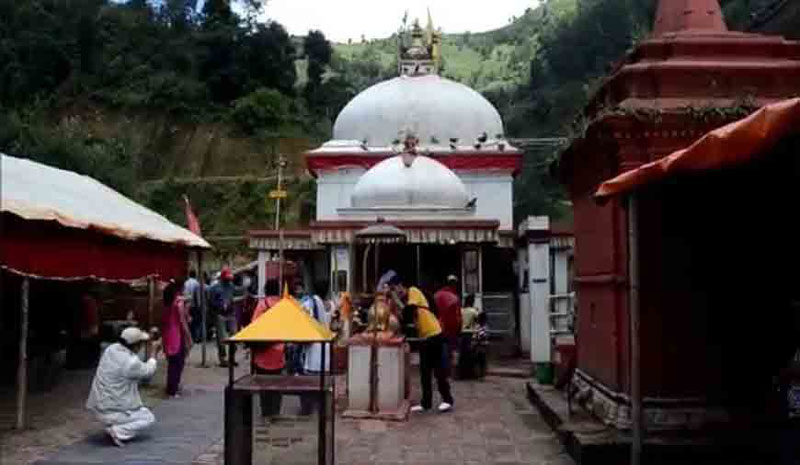
Kedarnath The Doleshwor Mahadev temple that is considered religiously important is located at Sipadol-6, 4 km south of Jagati, Bhaktapur. This temple is worshipped as the head of the Lord Kedarnath. According to the long held belief, the head of the deity originated in this place while the remaining body part in Kedarnath of India. A large rock outcropping amidst green forest is worshipped as a representation of Lord Kedarnath. Common people can touch and worship here only three times a year. On other days, they have to offer worship from outside the gate. Legend:
According the Doleshwar Mahadev history, it is believed that Pandav brothers, after the Mahabharata of Kurushetra, left for the Himalayas in search of forgiveness from Lord Shiva for the killing of many people during the war. But as Lord Shiva was not willing to forgive them he disguised in the form of bull. Having known about Lord Shiva’s disguise as the bull that was about to flee, Pandavas caught the tail of the bull and in this time, the head of bull got separated from the rest of the body. It is believed that the remaining body is in Kedarnath in the Uttharkhand of India, and that people have been searching for the head part since then.
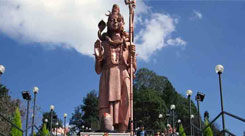
 Shiva Linga
Key Details:
Location District: The temple is situated in Sipadol, a village in Bhaktapur District, about 20 kilometers from Kathmandu, the capital city of Nepal.Accessibility: The temple is easily accessible by road from Kathmandu, with regular buses and taxis available.
Religious Significance:
Connection to Kedarnath: Doleshwor Mahadev is believed to be the head of Lord Kedarnath, one of the twelve Jyotirlingas in India. According to legend, after the Pandavas sought forgiveness from Lord Shiva for killing their relatives during the Mahabharata war, Shiva, disguised as a bull, tried to evade them. While the Pandavas managed to hold onto the bull, the head of the bull surfaced in Doleshwor, while the rest of the body emerged in Kedarnath, India.Recognition: In 2009, the head priest of Kedarnath officially recognized Doleshwor Mahadev as the head of Kedarnath, establishing a strong religious connection between the two temples.
Temple Architecture:
Design: The temple follows traditional Nepali pagoda-style architecture with intricate wood carvings and metalwork. The temple complex is simple yet spiritually uplifting, with a peaceful environment.Main Deity: The main deity worshiped here is Lord Shiva, represented by a Shiva Linga.
Festivals and Rituals:
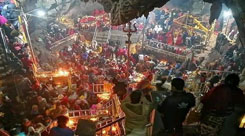
Shivaratri: Maha Shivaratri, the night dedicated to Lord Shiva, is one of the major festivals celebrated at Doleshwor Mahadev. Devotees from all over Nepal and India visit the temple during this time.Teej: Another important festival celebrated here is Teej, where women fast and pray for the well-being of their husbands.
Monday Worship: Mondays are considered particularly auspicious for worshiping Lord Shiva, and the temple sees a significant number of devotees on this day.
Pilgrimage and Spiritual Importance:
Pilgrimage Site: Doleshwor Mahadev is a vital stop for pilgrims on the Shiva pilgrimage circuit, especially for those who cannot make the journey to Kedarnath in India.Spiritual Practices: The temple is a place for meditation, prayer, and spiritual discourses. Many devotees visit the temple seeking blessings for health, prosperity, and spiritual growth.
Cultural Importance:
Preservation of Heritage: The temple is not just a place of worship but also a site that preserves the rich cultural heritage of Nepal. It attracts scholars and devotees interested in Hindu mythology and traditions.Community Involvement: The temple is a focal point for the local community, hosting various religious and cultural events throughout the year.
Environment and Scenery:
The temple is located in a serene and scenic area with views of the surrounding hills and lush greenery, providing a peaceful environment for worship and reflection.Visiting Information:
Best Time to Visit: The temple can be visited year-round, but it is particularly vibrant during festivals like Shivaratri and Teej.How to Get There: The temple is accessible by a 30-40 minute drive from Kathmandu. Public transport options like buses and taxis are readily available.
Important Tips:
Respect Religious Practices: Visitors should dress modestly and follow the temple’s rules and customs. Photography may be restricted in certain areas.Avoid Peak Times: To avoid crowds, it is advisable to visit early in the morning, especially during major festivals.
DESTINATION: DAY TOUR PILGRIMS SIGHTSEEING
AM: PASHUPATINATH DARSHAN & BUDHANILKANTH TEMPLE DARSHANPM: SHIVA TEMPLE SAGA BHANJYAN & DOLESHWOR KEDARNATH MAHADEV TEMPLE RANIKOT & GHYAMPE DANDA Hiking Video Clip:
Ranikot Day Hiking Spiritual & Religious Pilgrim's Package Tour
14 Days Pilgrims Tour Nepal
11 Days Pilgrims Tour Recommended Pilgrimage Tour in Nepal:
1. Buddhist Spiritual Pilgrimage Tour Nepal - Buddhist Pilgrimage Tour
2. Hindu Piilgrimage Tour Nepal - Hindu Pilgrimage Tour
WhatsApp Live Chat:
BOOK NOW: Online Booking Form.
Support Call: +977 9816 770504 | WhatsApp or Viber
Holy Sites