Swyambhunath (Monkey Temple)
Namaste and welcome to Swayambhunath Temple! Swayambhunath, also known as the Monkey Temple, is one of the most important and ancient pilgrimage sites in Nepal. It is a UNESCO World Heritage Site and stands as a symbol of both the Buddhist and Hindu cultures of Nepal. I hope and make sure that information share with you the fascinating history, architecture, and significance of this iconic temple.
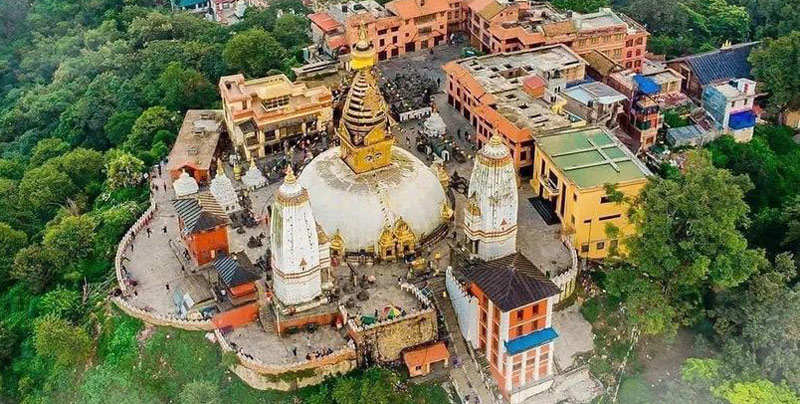 Approaching the Stupa:
As we make our way towards the stupa, take a moment to appreciate the panoramic views of Kathmandu Valley. The temple sits on a hilltop, offering stunning views of the city and the surrounding mountains. It's said that this site has been a place of worship for over 2,000 years.
Now, you’ll notice the white dome of the stupa with a golden spire. This is one of the most recognizable features of Swayambhunath. The large eyes of Buddha on the spire are known as the 'wisdom eyes'. They symbolize the omnipresent vision of the Buddha, watching over the valley. The Stupa and Its Symbolism:
At the center of the temple is the Swayambhu Stupa, which is believed to have been self-formed – hence the name ‘Swayambhu,’ meaning ‘self-existent’ or ‘self-created.’ According to legend, the stupa arose from a lotus flower that bloomed in the middle of a lake, which is now the Kathmandu Valley. The stupa is a sacred representation of the Buddha’s body, and the circular shape symbolizes the cycle of life, death, and rebirth.
As we approach the stupa, you’ll see the ‘eyes of Buddha’ painted on all four sides of the tower. These represent the wisdom of the Buddha, looking in all four directions: east, west, north, and south. The third eye, located in the middle of the forehead, is a symbol of spiritual insight. The 365 Steps to the Stupa:
To reach the top of the hill, we need to climb 365 steps. This number symbolizes the days of the year, reminding us of the passage of time and the importance of spiritual practice every day. As we climb, you’ll notice monkeys around the temple, which is why it’s called the ‘Monkey Temple.’ The monkeys are sacred to the locals, and some believe that they are the guardians of the temple. The Surrounding Shrines and Monasteries:
Once at the top, you’ll see several smaller shrines and stupas around the main stupa. These represent the diverse religious practices in Nepal, where both Hinduism and Buddhism coexist harmoniously. Swayambhunath is particularly important for Tibetan Buddhists, and you’ll find several Tibetan prayer flags here, which are used to spread blessings and good will.
Let’s take a look at the nearby Shiva Temple. You’ll see many offerings made to the Hindu god Shiva, including flowers, water, and incense. Many pilgrims come here to worship Shiva alongside the Buddhist stupa. This is a great example of the fusion of Hinduism and Buddhism in Nepalese culture. The History of Swayambhunath:
Swayambhunath’s history dates back more than 2,000 years. It is believed that the site was originally a Buddhist monastery, established by King Vishnu Gupta. Over the centuries, the site has evolved, and several structures have been added to it, making it one of Nepal’s most visited temples.
According to Tibetan Buddhist texts, the stupa was created by the Bodhisattva Manjushri, who is said to have drained the Kathmandu Valley’s lake, making the valley habitable. The stupa was later built to represent the sacred place where the lotus flower had bloomed. Religious Practices and Customs:
You’ll notice pilgrims walking around the stupa in a clockwise direction, a practice known as ‘Kora.’ This is a form of prayer where Buddhists walk around sacred objects while chanting mantras. You’ll also see prayer wheels around the stupa. These are spun by hand or with a gentle push. Each time the wheel turns, it is believed to release blessings and positive energy into the world.
Many visitors also come here to light butter lamps as a gesture of respect and to make wishes for good health, wealth, and happiness. It’s important to remember that while visiting, we should remain respectful of the religious practices and the sacredness of the site. The Monkey Temple:
Now, let’s talk about the famous monkeys here. Swayambhunath is also known as the *Monkey Temple because of the large number of monkeys that inhabit the area. The monkeys are considered sacred in Hinduism and Buddhism, and there are many stories and legends about them. Some people believe that they are the guardians of the temple, and others simply enjoy their playful nature.
However, visitors should be cautious, as the monkeys can sometimes be mischievous. It’s advised not to carry food or valuables that might attract their attention. Conclusion:
Finally, This tour information brings us to the end of our tour at Swayambhunath Temple. I hope you’ve enjoyed learning about this historic and spiritual place. WhatsApp Live Chat:
Online BOOK NOW
Support Call: +977 9816 770504 | WhatsApp or Viber
Heritage SITE

Kathmandu Durbar Square

Patan Durbar Square
Bhaktapur Durbar Square

Pashupatinath Temple

Boudhanath Stupa
Swyambhunath Stupa

Changunarayan Temple
 # Duration - 7N/8D Package
 # Duration - 3N/4D Package
 # Duration - 5N/6D Package
 # Duration - 5N/6D Package
 # Duration - 5N/6D Package
 # Duration - 8N/9D Package
 # Duration - 6N/7D Package
 # Duration - 9N/10D Package
 # Duration - 8N/9D Package


